Telling Time and Dates in English Made Simple
One of the most important parts of daily English communication is knowing how to tell time and dates correctly.
The Simple Communication Skill Many English Learners Need
One of the most important parts of daily English communication is knowing how to tell time and dates correctly.
It may look simple at first, but many English learners still hesitate when someone asks questions like:
- “What time is it?”
- “When is the meeting?”
- “What’s today’s date?”
- “What time does the class start?”
Why?
Because many students focus mostly on grammar and vocabulary while practicing very little real-life communication.
The good news is this:
Telling time and dates in English is actually very easy once you understand the simple patterns native speakers use every day.
Why Learning Time and Dates Is Important
Research in language learning shows that practical communication skills improve fluency faster because learners use them repeatedly in real situations.
Time and dates are everywhere in daily life:
- school,
- business,
- meetings,
- travel,
- interviews,
- online communication,
- technology,
- and professional environments.
This is why mastering them is extremely important for English fluency.
How to Ask for the Time
The most common question is:
What time is it?Another common question:
What’s the time?Both are correct.
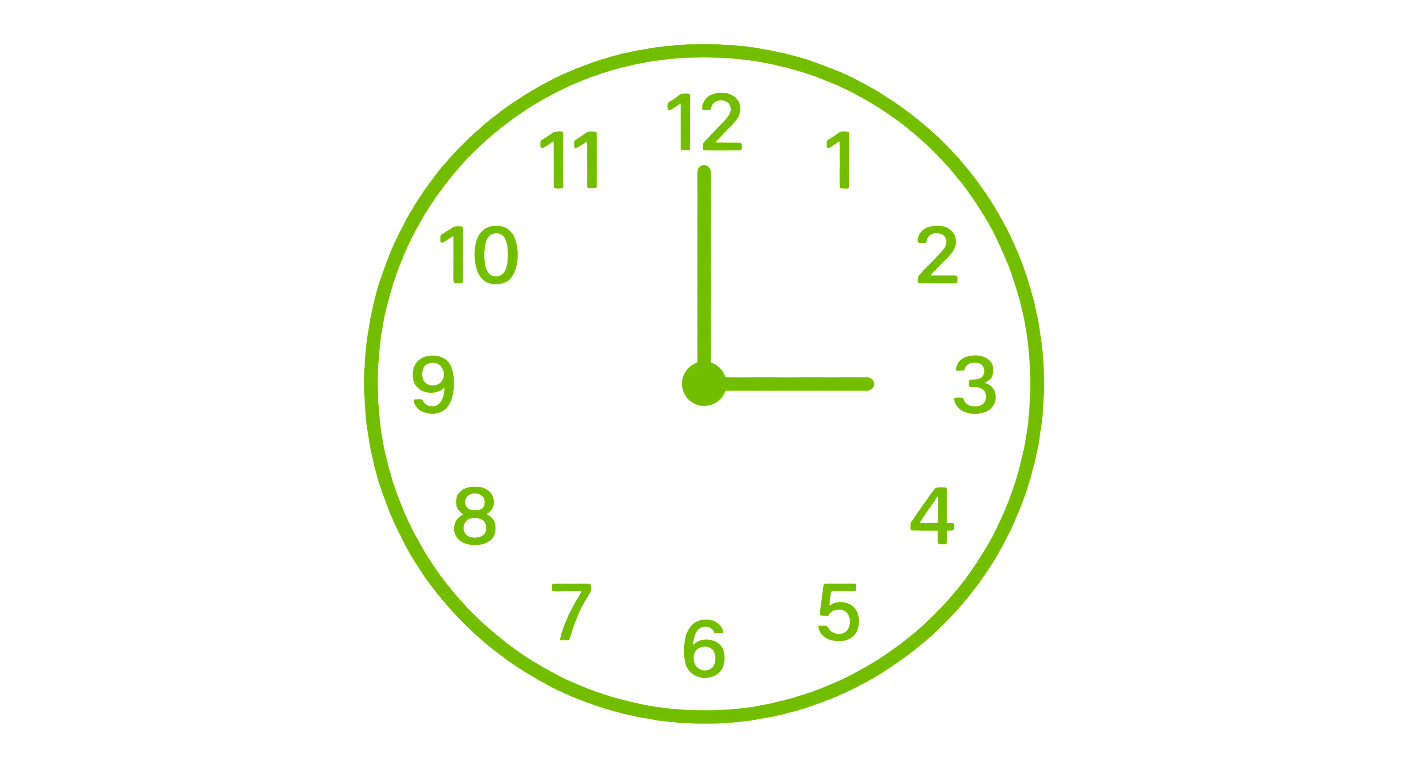
Example
It’s three o’clock.Exact Hours Explained Simply
| Time | Expression |
|---|---|
| 7:00 | Seven o’clock |
| 9:00 | Nine o’clock |
| 12:00 | Twelve o’clock |
Examples
- It’s seven o’clock.
- The class starts at nine o’clock.
- The meeting begins at twelve o’clock.
Understanding “Past”
When the minutes come AFTER the hour, English speakers often use:
pastExamples Using “Past”
| Time | Expression |
|---|---|
| 7:10 | Ten past seven |
| 8:15 | Quarter past eight |
| 9:30 | Half past nine |
Visual Example
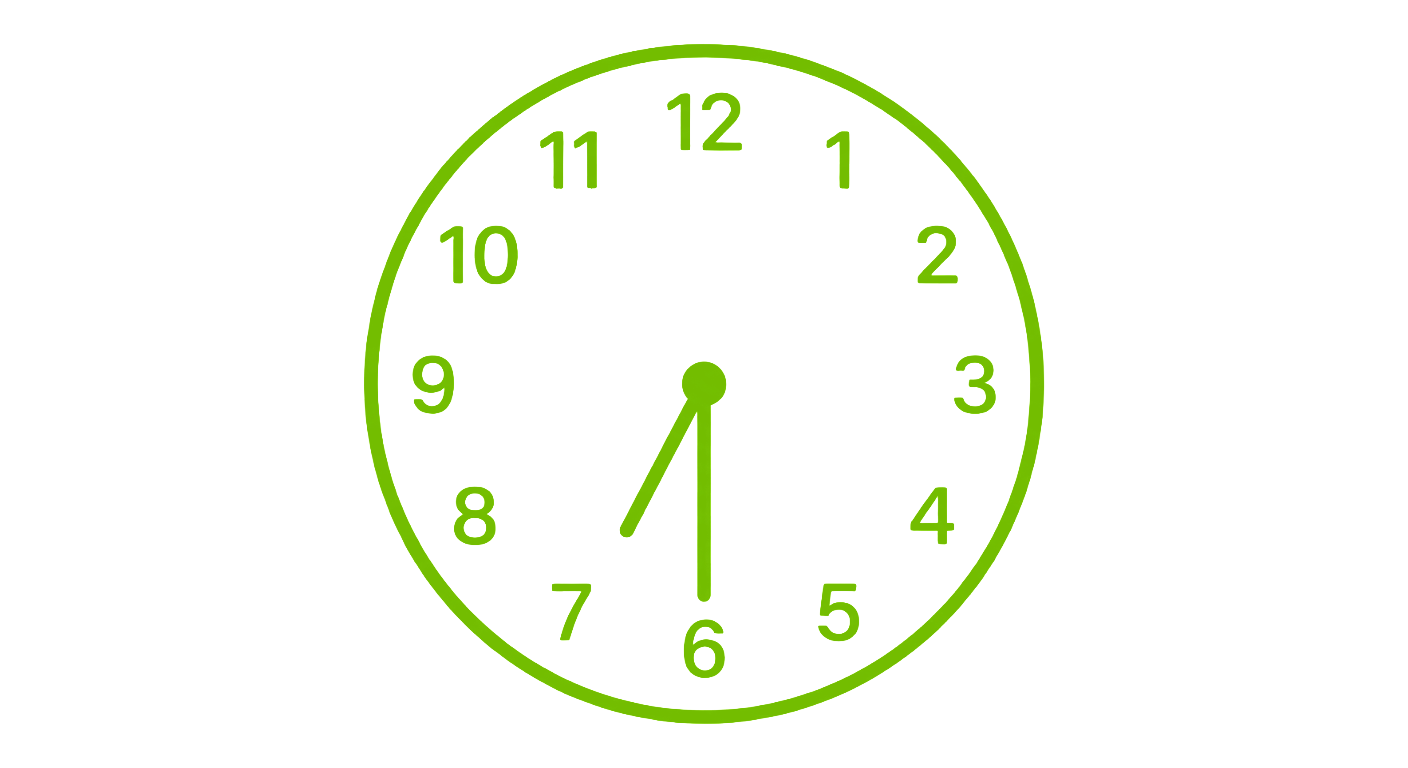
Example
It’s half past six.Understanding “To”
When the minutes come BEFORE the next hour, English speakers often use:
toExamples Using “To”
| Time | Expression |
|---|---|
| 7:50 | Ten to eight |
| 8:45 | Quarter to nine |
| 9:55 | Five to ten |
Visual Example
Example
It's 3 o'clock sharp.The Modern Way Native Speakers Speak
Today, many English speakers simply read the numbers directly.
Examples:
| Digital Time | Spoken English |
|---|---|
| 7:15 | Seven fifteen |
| 8:30 | Eight thirty |
| 9:45 | Nine forty-five |
This method is extremely common in:
- meetings,
- offices,
- technology,
- and online communication.
AM and PM Made Simple
| Expression | Meaning |
|---|---|
| AM | Before midday |
| PM | After midday |
Examples
- 7 AM → Morning
- 7 PM → Evening
Real-Life Sentences
- The interview starts at 8 AM.
- The class begins at 2 PM.
- The meeting is at 6 PM.
How to Ask About Dates
Native speakers commonly ask:
What’s today’s date?or
When is your birthday?The Simplest Way to Say Dates
American English Format
Month + Day + YearExample
May 10, 2026Spoken English:
May tenth, twenty twenty-sixDays of the Week
| Day | Pronunciation |
|---|---|
| Monday | Mun-day |
| Tuesday | Tooz-day |
| Wednesday | Wenz-day |
| Thursday | Thurz-day |
| Friday | Fry-day |
| Saturday | Sat-er-day |
| Sunday | Sun-day |
Months of the Year
| Month | Short Form |
|---|---|
| January | Jan |
| February | Feb |
| March | Mar |
| April | Apr |
| May | May |
| June | Jun |
| July | Jul |
| August | Aug |
| September | Sep |
| October | Oct |
| November | Nov |
| December | Dec |
Common Mistakes Students Make
Mistake 1 — Confusing AM and PM
Incorrect:
The meeting is at 7 AM tonight.Correct:
The meeting is at 7 PM tonight.Mistake 2 — Translating Directly from French
Incorrect:
Ten May 2026Better:
May tenth, twenty twenty-sixMistake 3 — Forgetting “o’clock”
Incorrect:
It’s seven.Better:
It’s seven o’clock.Why Practical English Works Better
Research in language acquisition shows that learners improve faster when they practice:
- listening,
- repetition,
- speaking,
- and practical communication.
This explains why students who regularly hear English in:
- movies,
- podcasts,
- meetings,
- and conversations
often improve naturally over time.
Simple Tips to Improve Faster
1. Practice Every Day
Ask yourself:
- What time is it?
- What’s today’s date?
Daily repetition improves fluency naturally.
2. Change Your Phone Language to English
This increases exposure to:
- dates,
- schedules,
- notifications,
- and time expressions.
3. Read Schedules in English
Examples:
- flight schedules,
- class timetables,
- calendars,
- online meetings.
4. Speak Out Loud
Fluency improves through active speaking.
Not silent memorization.
Why English Communication Skills Matter Today
In today’s world, English communication skills are essential in:
- Education
- NGOs
- Business
- International Communication
- Digital Marketing
Simple communication skills like telling time confidently improve:
- professionalism,
- confidence,
- and fluency.
Many students think telling time and dates in English is difficult.
But the truth is simple: Once you understand the basic patterns, English becomes easier and more natural.
Fluency grows through:
- practice,
- repetition,
- exposure,
- and confidence.
Small expressions create powerful communication skills.
Ready to Improve Your English and Digital Skills?
Discover practical and career-oriented training programs at The Brotherly Training Center (BTC):
- English
- Computer Science
- Spanish
- Digital Skills
- Professional Communication
- Driving with Modern Technology
The Brotherly Training Center
Teaching is Touching Souls Forever.
Website: https://www.btcagapd.com
Partager l’article
Telling Time and Dates in English Made Simple
The Simple Communication Skill Many English Learners Need One of the most important parts of daily English communication is knowing how to tell time and dates...